Technical Analysis

CPU Returns to the Core of AI: Intel's Financial Report Validates the Restructuring of Compute Architecture

CPU Returns to the Core of AI: Intel's Financial Report Validates the Restructuring of Compute Architecture

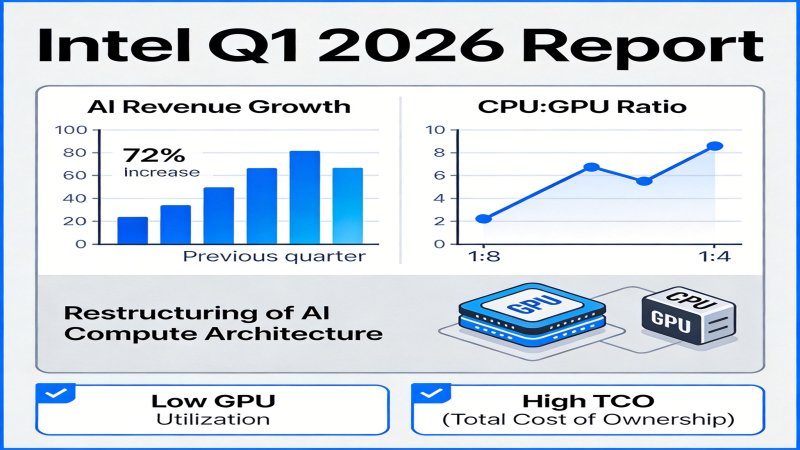
Intel's Q1 2026 report, showing 22% DCAI revenue growth and 7% total revenue growth and a CPU:GPU ratio rebound from 1:8 to 1:4, signals a restructuring of AI compute architecture. The shift is driven by low GPU utilization and high TCO from past over-reliance on GPUs, countered by rising inference workloads that highlight CPU value for data preprocessing. Industry data, research, and new CPU tech validate this sustainable trend toward balanced hybrid compute (CPU+GPU), impacting infrastructure planning and investment focus.

Cisco FIRESTARTER Backdoor: A New Paradigm of APT Attacks Bypassing Firmware Patches

Cisco FIRESTARTER Backdoor: A New Paradigm of APT Attacks Bypassing Firmware Patches

In April 2026, a joint CISA/NCSC-UK advisory disclosed an APT campaign using the FIRESTARTER backdoor against Cisco devices. The backdoor achieves 'post-patch persistence' by tampering with a reserved NVRAM partition, bypassing standard firmware updates. This severely challenges the 'patch-to-fix' assumption for firmware, exposes firmware security blind spots, poses an ongoing threat to global critical infrastructure, and may drive advancements in firmware security technology and regulatory standards.

In-Depth Analysis of Cerebras IPO: A New Landscape of Diversified Competition in the Computing Power Market

In-Depth Analysis of Cerebras IPO: A New Landscape of Diversified Competition in the Computing Power Market

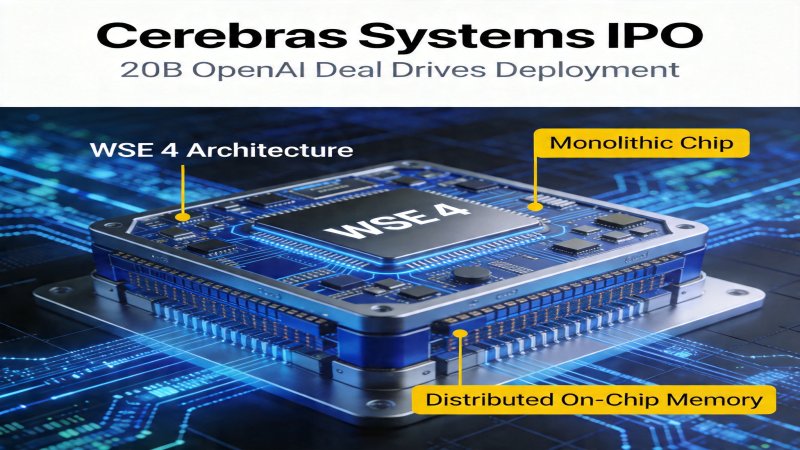
Cerebras Systems' IPO, driven by a $20B OpenAI deal, aims to deploy its Wafer-Scale Engine (WSE) for large model inference. The WSE-4 architecture uses a monolithic chip and distributed on-chip memory to tackle the 'memory wall' and scaling inefficiencies of GPUs, claiming superior energy efficiency for specific inference tasks. However, challenges include a weak software ecosystem, manufacturing complexity, fixed memory limits, and high customer concentration. While introducing a new competitive option, it's unlikely to disrupt NVIDIA's dominance soon; long-term success hinges on customer diversification and ecosystem development.

Anthropic MCP Protocol Architectural-Level Vulnerabilities: Security Risks in AI Agent Interoperability

Anthropic MCP Protocol Architectural-Level Vulnerabilities: Security Risks in AI Agent Interoperability

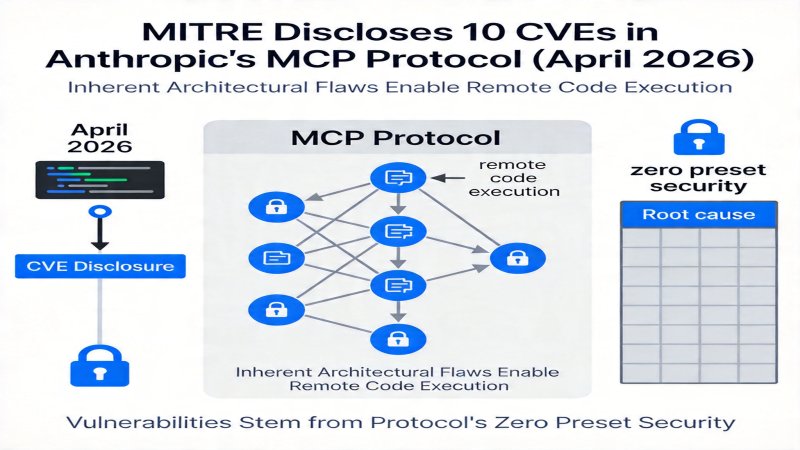
In April 2026, MITRE disclosed 10 CVEs related to Anthropic's MCP protocol, confirming inherent architectural flaws enabling remote code execution. The flaws stem from the protocol's "zero-preset" security strategy for high-risk interfaces to maximize interoperability, shifting security burdens downstream. This exposes a core contradiction between security and interconnectivity in AI Agent protocols, impacting trust across the ecosystem and potentially reshaping industry standards and competition.

FortiOS 8.0 FortiAI Assistant Technical Insight

FortiOS 8.0 FortiAI Assistant Technical Insight

FortiOS 8.0 deeply embeds FortiAI-Assist into the FortiGate operating system for the first time, providing network security administrators with generative AI-powered operational assistance. This article provides a systematic deep analysis of FortiAI's technical architecture, deployment methods, business workflows, and licensing models based on FortiOS 8.0 official documentation.

FortiOS 8.0 Generative AI Detection Technology Deep Insight

FortiOS 8.0 Generative AI Detection Technology Deep Insight

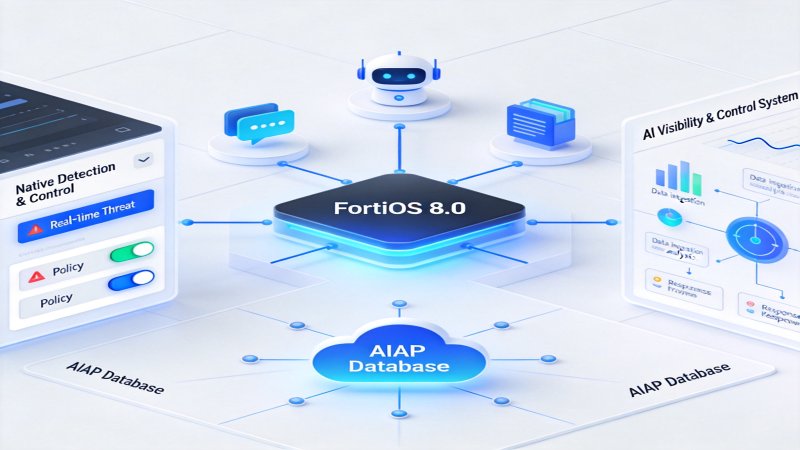
FortiOS 8.0 introduces native detection and control capabilities for generative AI applications, providing enterprises with a complete AI visibility and control system through AIAP database, dedicated log fields, and FortiView components. This article provides detailed analysis of GenAI detection's technical architecture, deployment methods, and business workflows.

LLM-WAF Technical Analysis: The AI-Native Architecture of Next-Generation Web Application Firewalls

LLM-WAF Technical Analysis: The AI-Native Architecture of Next-Generation Web Application Firewalls

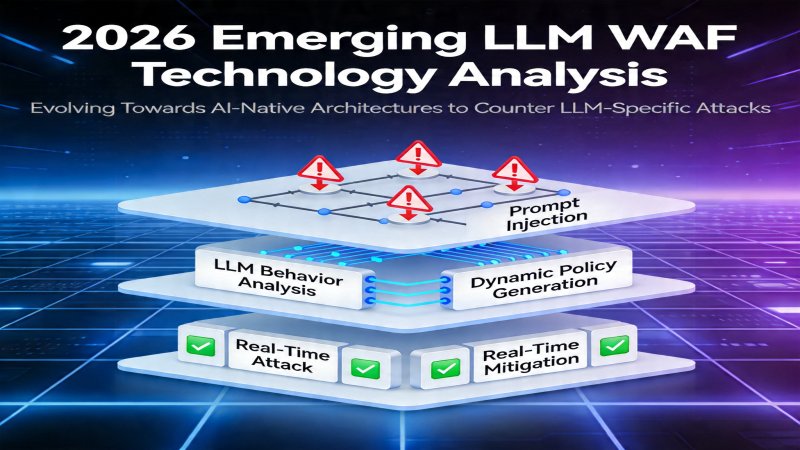
This article analyzes the emerging LLM-WAF technology in 2026. To counter LLM-specific attacks like Prompt Injection, WAFs are evolving towards AI-native architectures. Modern LLM-WAFs feature a three-layer design: traffic parsing, hybrid detection (rule engine + lightweight security LLM), and response enforcement. Key technologies include lightweight models, semantic feature extraction, and cloud-edge collaboration. The market is led by Cloudflare (edge hybrid), Palo Alto Networks (integrated module), and CrowdStrike (cloud-edge), with competition shifting from technical capability to ecosystem lock-in.

A Panoramic View of AI Inference Optimization Tools: From vLLM to TensorRT-LLM, A Selection Guide in a Fragmented Landscape

A Panoramic View of AI Inference Optimization Tools: From vLLM to TensorRT-LLM, A Selection Guide in a Fragmented Landscape

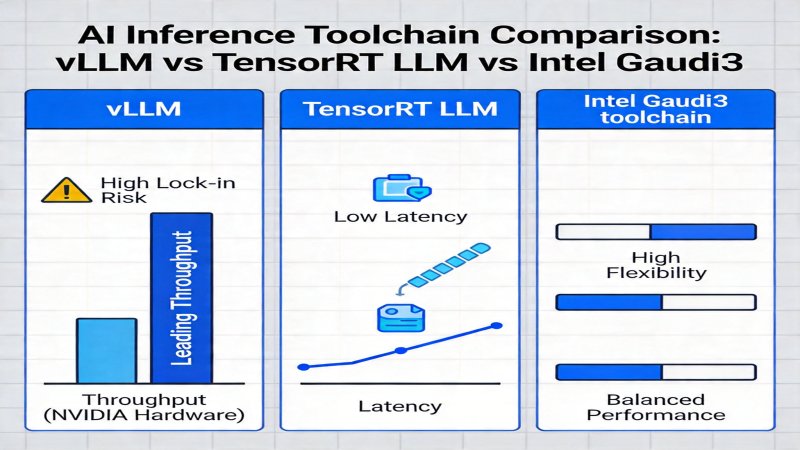
This report compares vLLM, TensorRT-LLM, and Intel Gaudi3 toolchain for AI inference. TensorRT-LLM leads in throughput on NVIDIA hardware but has high lock-in risk. vLLM excels in latency, flexibility, and hardware compatibility. Gaudi3 shows cost-effectiveness potential. Selection requires evaluating hardware, performance needs, TCO, and ecosystem risks, adopting a layered strategy and continuous monitoring.

NVIDIA Ising: Technical Insight into the World's First Open-Source Quantum AI Model

NVIDIA Ising: Technical Insight into the World's First Open-Source Quantum AI Model

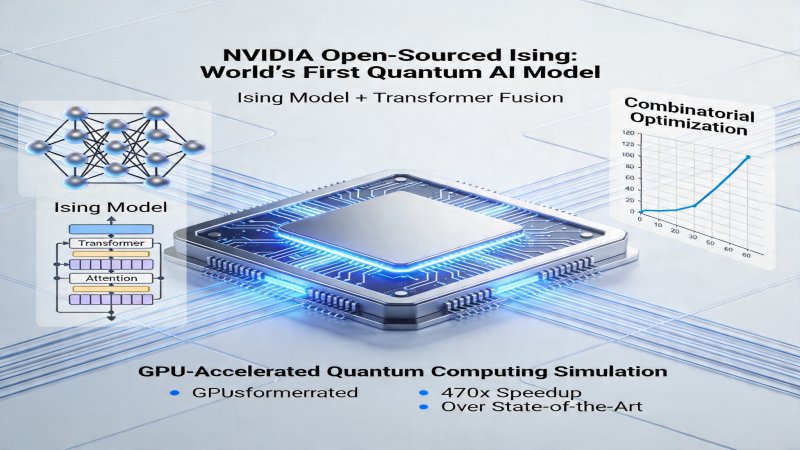
NVIDIA open-sourced Ising, the world's first quantum AI model, fusing the Ising model with Transformer to simulate quantum computing on GPUs for combinatorial optimization. It claims 470x speedup over simulated annealing and advantages vs. IBM's quantum processor. NVIDIA's 'software-first' strategy uses open-source and CUDA-Q to lower barriers and build its ecosystem. However, it's classical simulation with limitations in generalization and scalability; performance claims require cautious interpretation.

Deep Analysis of CrowdStrike Falcon AI Threat Detection Engine 2026 Technical Evolution

Deep Analysis of CrowdStrike Falcon AI Threat Detection Engine 2026 Technical Evolution

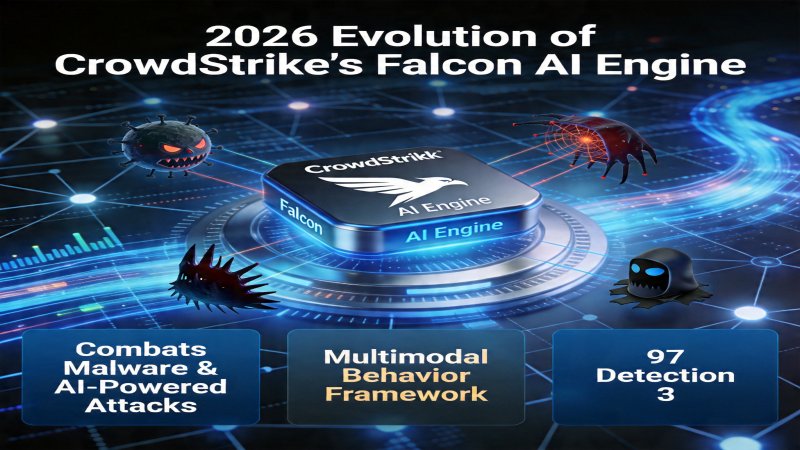
This report analyzes the 2026 evolution of CrowdStrike's Falcon AI engine, designed to combat malware-less and AI-powered attacks. Key advancements include a multimodal behavior framework (97% detection, 35% lower resource use), few-shot learning for novel threats, and the Agentic MDR architecture enabling sub-29-minute automated response. The analysis compares competitors, highlighting the shift towards behavioral intent detection and response speed, and identifies open questions regarding automation transparency and data validation.

Analyzing Cisco's Full-Stack AI Agent Identity Security Architecture Layout Through Its Acquisitions of Galileo and Astrix

Analyzing Cisco's Full-Stack AI Agent Identity Security Architecture Layout Through Its Acquisitions of Galileo and Astrix

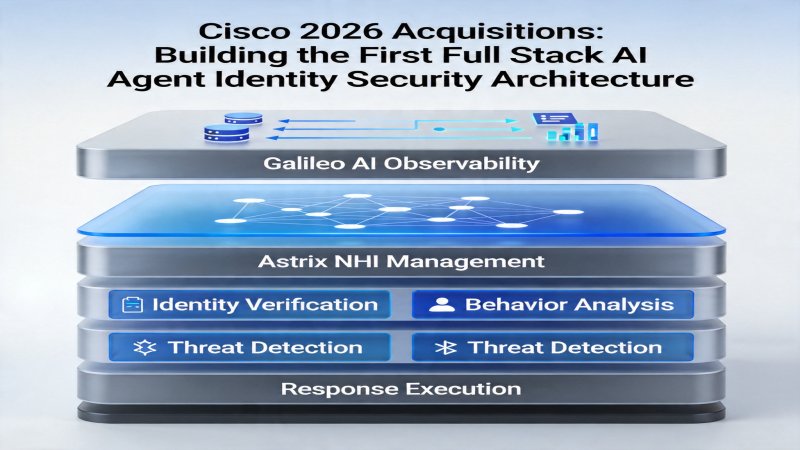
Cisco's rapid 2026 acquisitions of Galileo (AI observability) and Astrix (NHI management) aim to build the first claimed full-stack AI Agent identity security architecture. The six-layer model promises closed-loop management but faces questions on unverified performance claims, large-scale deployment viability, ecosystem openness, and migration costs amidst competition from Palo Alto, CrowdStrike, and Microsoft.

Technical Architecture Analysis of Palo Alto Prisma AIRS 3.0

Technical Architecture Analysis of Palo Alto Prisma AIRS 3.0

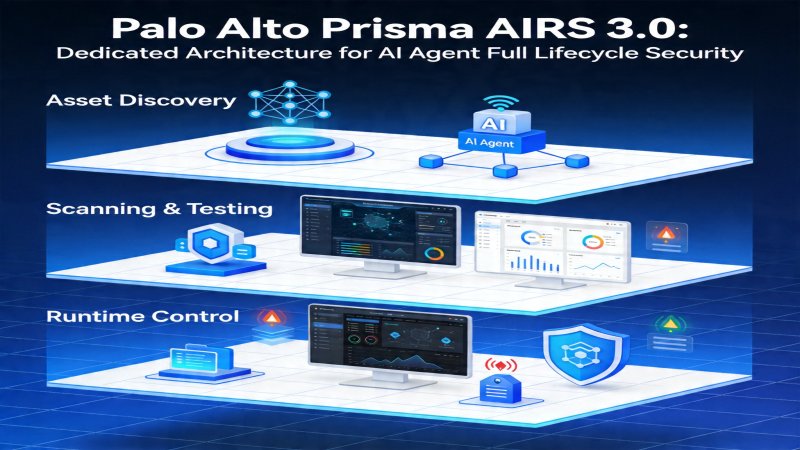
Palo Alto Prisma AIRS 3.0 is a dedicated architecture for AI Agent full lifecycle security. Its three-layer design covers asset discovery, scanning/testing, and runtime control. Core protection relies on the Agent Gateway control plane and Prisma Browser security sandbox. While excelling at known threat detection, its ability against unknown threats in complex environments requires validation. Its integrated lifecycle approach and high-performance control plane differentiate it from competitors like CrowdStrike and Zscaler, but market success hinges on real-world efficacy and integration.