Technical Analysis

35articles
MRC Protocol Deep Dive: The New Paradigm for 100K+ GPU Cluster Networking

MRC Protocol Deep Dive: The New Paradigm for 100K+ GPU Cluster Networking

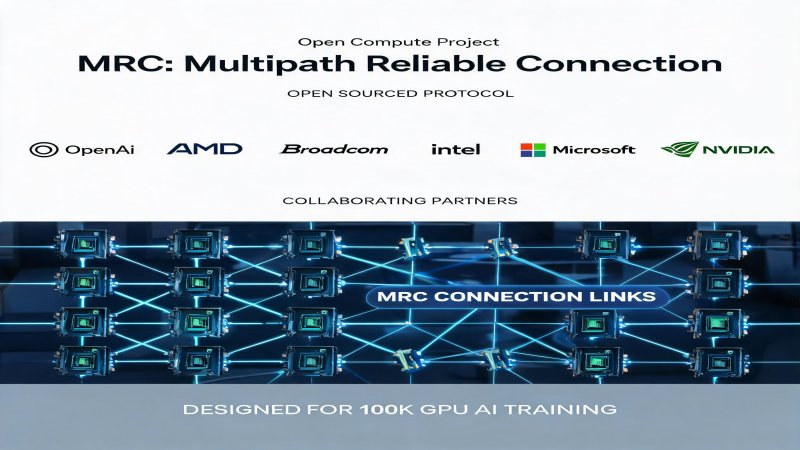
OpenAI, together with AMD, Broadcom, Intel, Microsoft, and NVIDIA, has open-sourced the MRC (Multipath Reliable Connection) network protocol through the Open Compute Project. Designed for 100K+ GPU AI training clusters, MRC leverages SRv6 source routing, multipath packet spraying, and multi-plane architecture to compress failover time from seconds to microseconds and flatten the switching hierarchy from 3-4 tiers to 2. Already deployed at Oracle Abilene and Microsoft Fairwater datacenters, MRC signals a shift from general-purpose to purpose-built networking for AI training, with profound implications for network equipment vendors, chipmakers, and cloud providers.
GPT-5.5-Cyber vs Claude Mythos: The AI Cybersecurity Arms Race Enters a New Phase

GPT-5.5-Cyber vs Claude Mythos: The AI Cybersecurity Arms Race Enters a New Phase

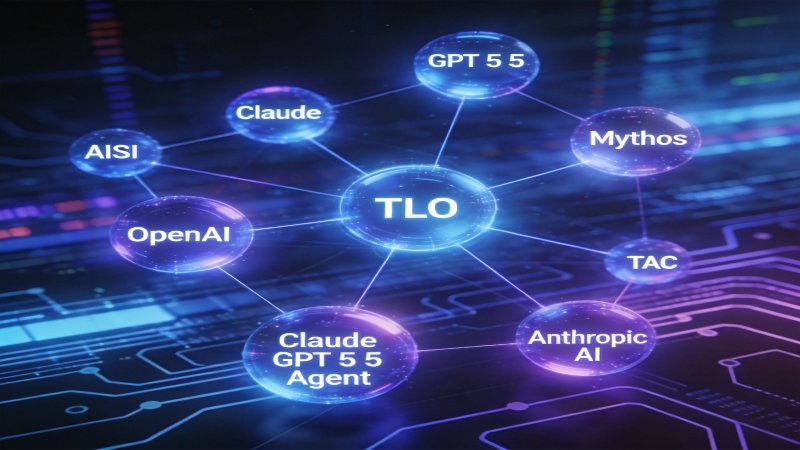
UK AISI confirms GPT-5.5 and Claude Mythos have sequentially broken through cybersecurity capability thresholds, completing TLO testing. OpenAI proactively submitted its model for government review, with TAC mechanisms restricting access. Claude edges ahead slightly but GPT-5.5 has stronger Agent capabilities. Anthropic was excluded from the Pentagon's AI supply chain due to ethical stance.

Anthropic vs OpenAI: The Enterprise JV Race Signals a Paradigm Shift from API Sales to Industrial Capital Integration

Anthropic vs OpenAI: The Enterprise JV Race Signals a Paradigm Shift from API Sales to Industrial Capital Integration

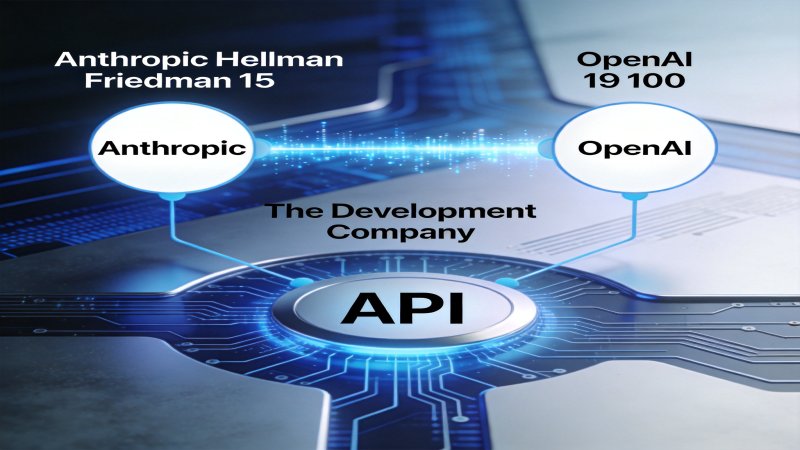
Anthropic partnered with Blackstone/Goldman/H&F for a $1.5B JV while OpenAI established a $10B The Development Company with 19 asset managers. Same day, different models: Anthropic embeds deep into business processes while OpenAI builds a service platform. API sales face growth bottlenecks as industrial capital binding becomes the new distribution paradigm.

The Pentagon AI Stack: How the Pentagon is Building a Vertically Integrated AI System from Satellites to Models

The Pentagon AI Stack: How the Pentagon is Building a Vertically Integrated AI System from Satellites to Models

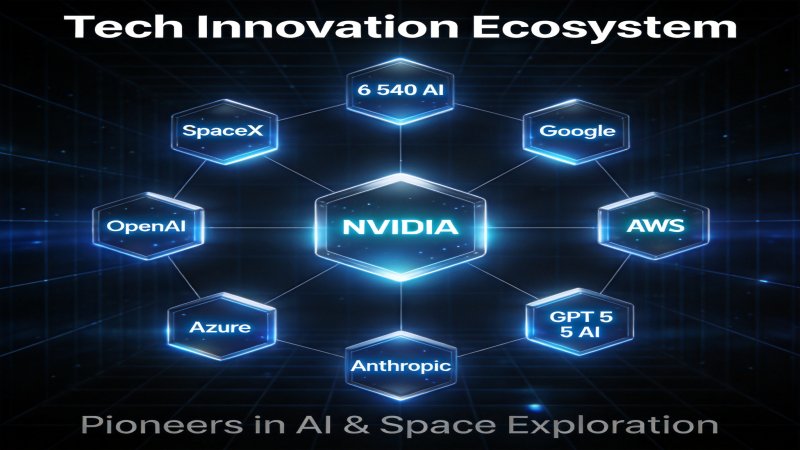
The US DoD signed a $54B AI integration contract with 6 tech companies, building a vertically integrated tech stack from SpaceX satellites to Google/OpenAI models. NVIDIA provides core computing, AWS/Azure provides cloud infrastructure. Anthropic was excluded due to ethical stance. GPT-5.5 and similar models' cybersecurity capability verification is the underlying procurement driver. Applicability of probabilistic AI in deterministic military systems remains a core challenge.

Agentic AI Security Framework: In-depth Analysis of CISA Guidelines and Enterprise Implementation Roadmap

Agentic AI Security Framework: In-depth Analysis of CISA Guidelines and Enterprise Implementation Roadmap

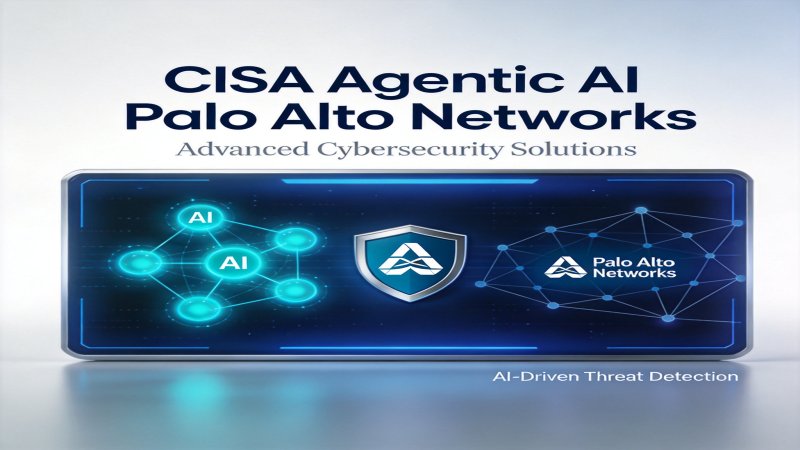
This article provides an in-depth interpretation of the four core domains of CISA's Agentic AI security framework: Attack Surface and Risk Management, Identity and Privilege Governance, Behavioral Oversight and Transparency, and Supply Chain Security. It analyzes the impact on enterprise security architecture, provides a three-phase implementation roadmap, and assesses market opportunities for key vendors.

OpenAI Ends Microsoft Exclusive Partnership: AI Infrastructure Market Shifts from Exclusive Moat to Open Competition

OpenAI Ends Microsoft Exclusive Partnership: AI Infrastructure Market Shifts from Exclusive Moat to Open Competition

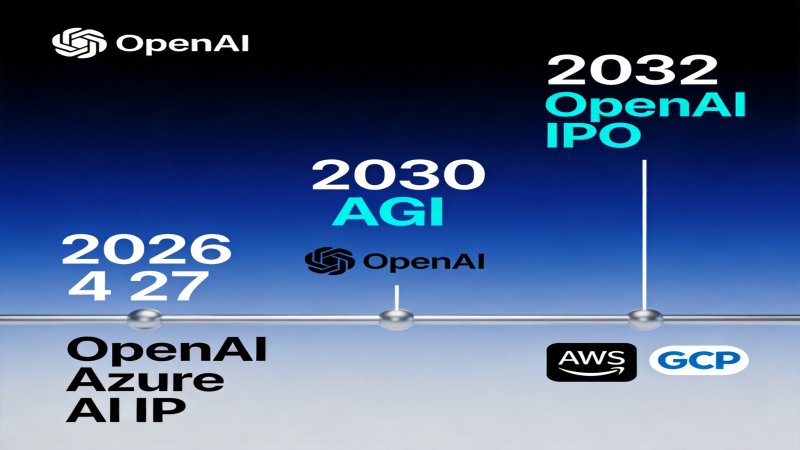
On April 27, 2026, Microsoft and OpenAI jointly announced a revised partnership agreement, ending their seven-year exclusive cloud collaboration. OpenAI can now offer all products to customers across all cloud providers, with Azure retaining only first-launch priority. This shift marks AI industry chain restructuring from 'exclusive moat' to 'open competition'. For Microsoft, surrendering exclusive distribution rights in exchange for IP licensing extending to 2032, revenue sharing through 2030, and cancellation of the AGI trigger clause; for OpenAI, multi-cloud deployment breaks channel shackles entirely, paving the way for IPO. AWS/GCP face strategic opportunities as AI cloud market landscape reshapes.

Palo Alto Networks Acquires Portkey: AI Gateway Becomes the Core Control Layer for Enterprise AI Security

Palo Alto Networks Acquires Portkey: AI Gateway Becomes the Core Control Layer for Enterprise AI Security

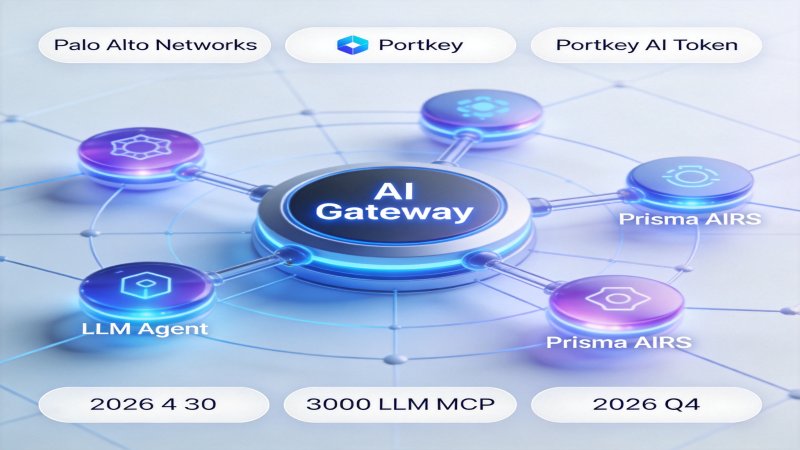
On April 30, 2026, Palo Alto Networks announced the acquisition of AI Gateway pioneer Portkey, with the transaction expected to close in Q4 fiscal 2026. As an AI infrastructure layer, Portkey processes trillions of tokens/month, supports 3000+ LLMs and MCP servers, providing unified LLM invocation, agent registry, semantic routing, and caching capabilities. After integration, Portkey will become the AI Gateway for Prisma AIRS, providing enterprise AI agents with security governance and runtime protection. This acquisition marks AI security's strategic leap from 'application-layer protection' to 'infrastructure-layer control,' officially bringing the AI Gateway track into the mainstream market.

Intel TeraFab Alliance: Musk + Intel AI Chip Factory Reshapes Foundry Landscape

Intel TeraFab Alliance: Musk + Intel AI Chip Factory Reshapes Foundry Landscape

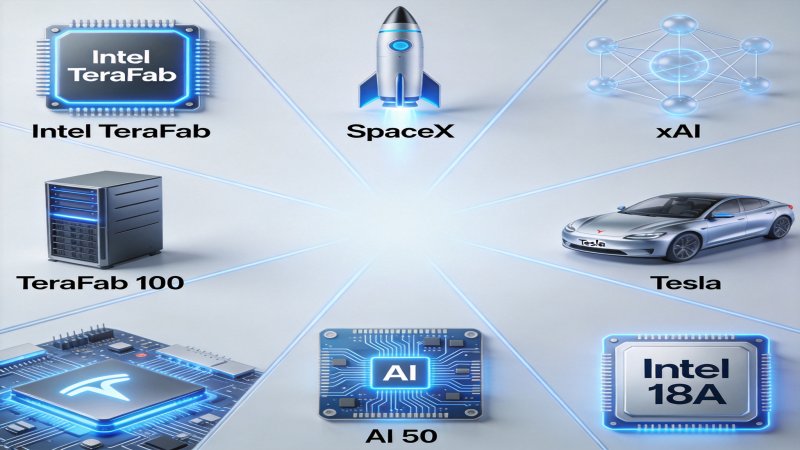
Intel officially joined the TeraFab project as the core foundry partner for Musk's SpaceX, xAI, and Tesla chip manufacturing initiative. TeraFab targets 100 terawatts of annual AI compute output - 50 times current global capacity. Intel contributes its 18A process node, the only cutting-edge logic process manufactured entirely within the US. The alliance's impact on the global foundry landscape is profound, but technical challenges are equally severe.

Cisco IOS-XE 26.1.1 Security Baseline Upgrade: Telnet/SNMP Disable Impact & Migration Guide

Cisco IOS-XE 26.1.1 Security Baseline Upgrade: Telnet/SNMP Disable Impact & Migration Guide

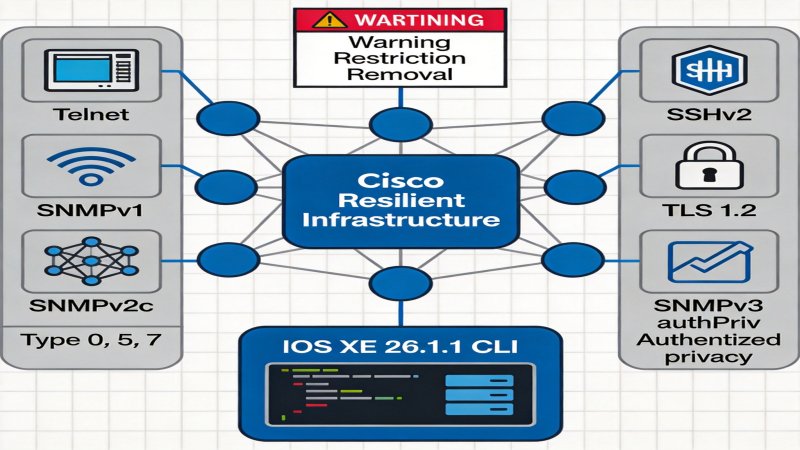
Cisco's Resilient Infrastructure initiative marks a strategic leap from "advisory security" to "secure by default". Through a three-stage Warning-Restriction-Removal approach, Cisco is mandating the retirement of insecure protocols like Telnet, SNMPv1/v2c, and Type 0/5/7 passwords. IOS-XE 26.1.1 has already disabled all insecure CLI commands by default, expected to reshape enterprise network security baselines.

AI Grid: How NVIDIA is Transforming Telecom Networks into AI Inference Highways

AI Grid: How NVIDIA is Transforming Telecom Networks into AI Inference Highways

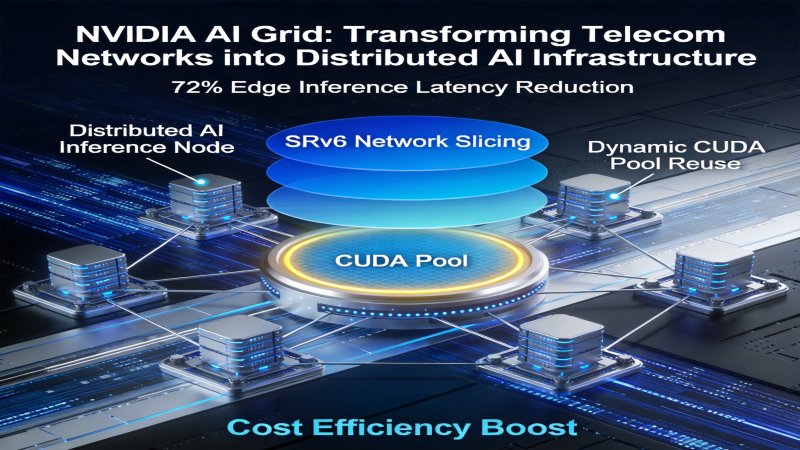
NVIDIA's AI Grid transforms telecom networks into distributed AI inference infrastructure. It leverages SRv6, network slicing, and dynamic CUDA pool reuse to slash edge inference latency by 72% and cost by 64% vs. centralized cloud. This complementary solution accelerates low-latency AI adoption and is poised to reshape the inference market landscape.

Deepfake Detection: From Technical Warfare to Enterprise-Grade Standard

Deepfake Detection: From Technical Warfare to Enterprise-Grade Standard

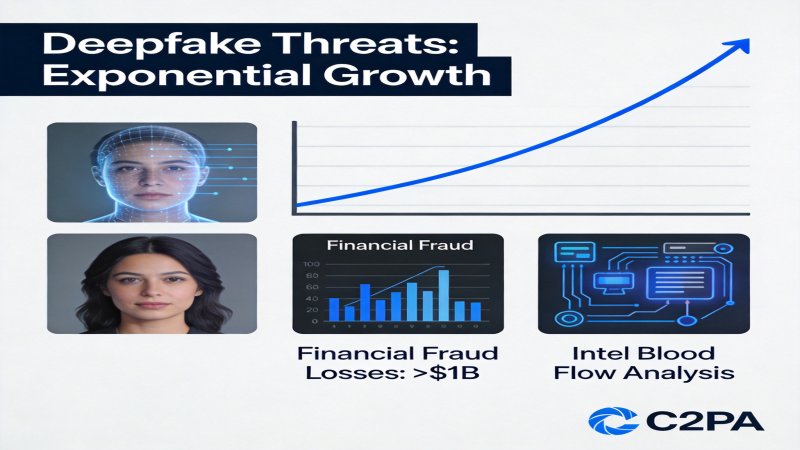
Deepfake threats are growing at an exponential rate, with online content increasing 900% in two years and financial fraud losses exceeding billions of dollars. From Intel's blood flow analysis to C2PA cryptographic provenance standards, detection technology is undergoing a fundamental shift from passive forensics to active source authentication. This article provides an in-depth analysis of mainstream detection technology routes, market landscape, and emerging research directions to guide enterprise deepfake defense strategies.

AI Inference Optimization: Strategic Opportunities in the Token Cost-Performance Era

AI Inference Optimization: Strategic Opportunities in the Token Cost-Performance Era

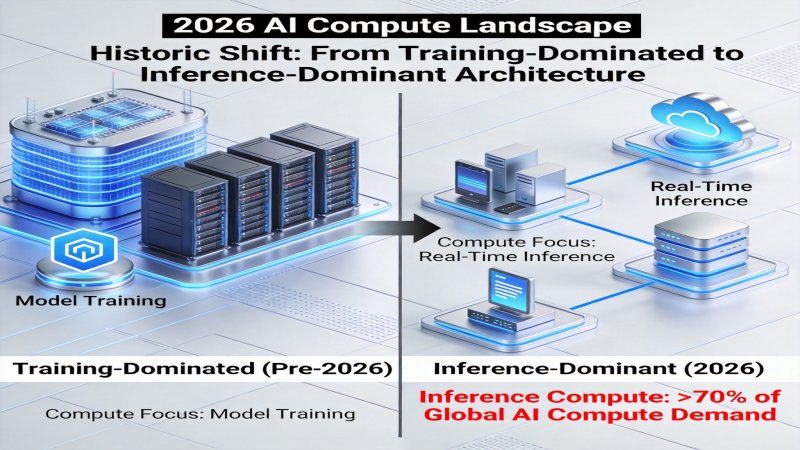
In 2026, AI infrastructure is experiencing a historic shift from 'training-dominated' to 'inference-dominant' architecture. Inference compute now accounts for over 70% of global AI compute demand, becoming the core consideration for data center deployments. NVIDIA GB300 NVL72 redefines hardware standards with 50x inference performance improvement, AMD MI355X builds cost advantages with 288GB HBM3E, and Google TPU v7 sets energy efficiency benchmarks with 100% liquid cooling. Meanwhile, software optimization technologies like TurboQuant, RWKV-6, and DTR are restructuring inference economics—Token cost-performance is becoming the new core competitiveness following parameter scale.