
Weekly Industry Insight (Mar 16 - Mar 22, 2026)
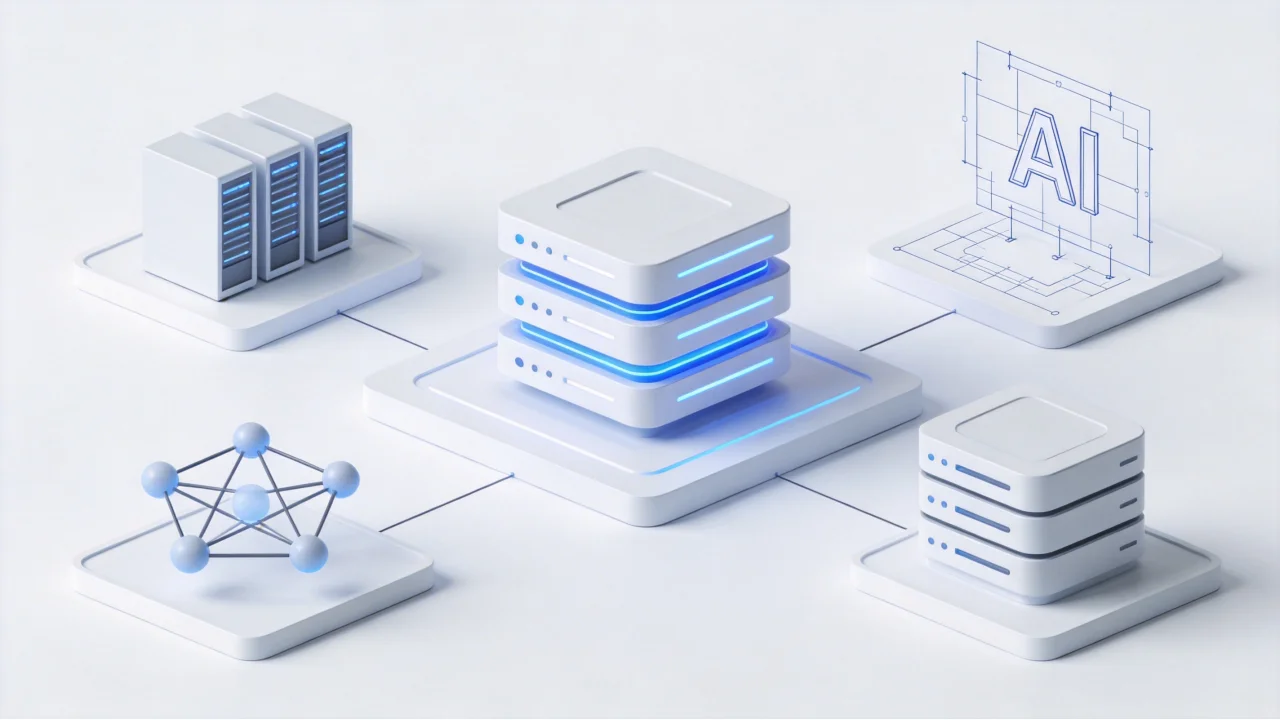
This week, AI infrastructure competition shifted to full-stack platformization, with NVIDIA defining leadership through software-defined data centers and physical AI blueprints, while security architecture deeply transformed towards AI-native, and networks accelerated optimization for AI traffic.
Strategic Insights
1. Full-Stack Definition: AI Infrastructure Competition Enters Software and Ecosystem-Dominated Phase
2. Shift-Left and AI-Native: Paradigm Upgrade of Security Architecture for AI Risks
3. Network Remodeled for AI: Uplink, AI-RAN, and Compute-Network Convergence Take Center Stage
4. Agent Industrialization: Ecosystem Race from Development Tools to Scalable Deployment
5. Deepening Enterprise AI Adoption: From Point Solutions to Systemic Process Reengineering
PRO Decision Signal
For Vendors
Competition has shifted from single-product performance to full-stack platform capabilities and ecosystem building. Accelerate investment in software layers (OS, microservices, frameworks) and openness, lock in customers with reference architectures and industry solutions. Integrate AI-native security as a core component, and seek deep partnerships with network and vertical leaders to address compute-network convergence and industry-specific AI needs.
For Enterprises
When planning AI strategy, prioritize evaluating vendors' software platform integration (e.g., inference orchestration, resource management) and industry ecosystem partnerships over mere hardware specs. Incorporate AI security governance frameworks early in deployment plans with dedicated budgets. Reassess network architecture for uplink traffic surge and edge AI compute, and jointly advance AI skill development with IT teams.
For Investors
Focus on companies building moats in AI full-stack software platforms (OS, dev tools), AI-native security, AI-optimized networks (optical, AI-RAN), and physical AI/robotics core components. Investment thesis should shift from short-term compute growth to medium/long-term capability to occupy key ecosystem positions in AI industrial deployment and next-gen infrastructure standard definition.
Trends Evolution
AI Infrastructure Evolution
StablePhysical AI & Agentic Systems
StableNetwork for AI
StableAI Security Integration
StableOpen AI Ecosystems
StableGet 3-5 key AI infrastructure signals weekly →