
Weekly Industry Insight (Mar 9 - Mar 15, 2026)
This week's signals reveal AI is driving the co-evolution of infrastructure, security, and networking architectures, with full-stack integration, architectural security, and AI-native networks emerging as key strategic directions.
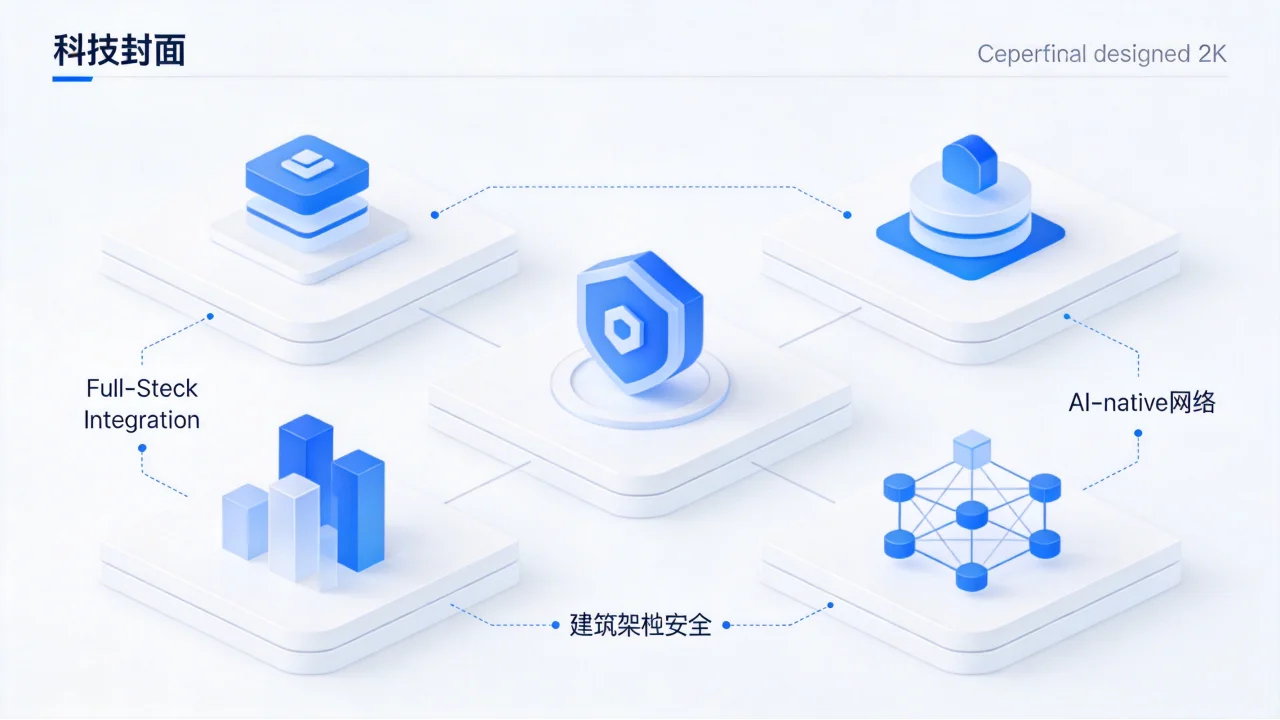
Strategic Insights
1. AI Infrastructure Full-Stackization: Ecosystem Competition from Theoretical Frameworks to Agent Runtimes
2. Security Architecture Deepening: From Threat Detection to Endogenous Protection in Infrastructure Kernels and AI Workflows
3. Network Architecture Reconstruction: AI Workloads Expose Traditional Shortcomings, Driving Evolution Towards AI-Native and Deterministic Networks
PRO Decision Signal
For Vendors
Vendors must accelerate building 'full-stack + ecosystem' capabilities beyond point-product competition. In AI, invest in agent runtimes, edge AI chips, and multimodal foundational models. In security, push protection capabilities down to infrastructure kernels and inside AI workflows. In networking, develop AI-native, deterministic solutions and enhance co-design with compute/storage.
For Enterprises
Enterprises should review their AI strategy based on the five-layer framework, prioritizing investment in agent-ready infrastructure and security architecture. Network planning must assess existing architecture's support for AI workloads and consider evolving towards deterministic networks. For security, establish a layered defense covering models, applications, data flows, and infrastructure, and integrate AI security ops tools into SOC modernization.
For Investors
Focus on vendors defining key layers (e.g., runtimes, chips, foundational models) or achieving deep vertical integration within the full-stack AI ecosystem. Invest in tech companies addressing core AI-era pain points (e.g., deterministic networking, architectural security, edge AI inference). Be cautious of companies stuck in traditional architectures or point solutions that fail to adapt to the AI-driven co-evolution trend.
Trends Evolution
AI Infrastructure Evolution
StableAI Security Integration
StableNetwork for AI
StableGet 3-5 key AI infrastructure signals weekly →